
The Responsibility of the Creator
Frankenstein, or the Modern PrometheusVictor's duty as a creator towards his creation, and the moral obligations that come with bringing life into the world.
increasing Bearing strength in each event
 decreasing
Bearing strength in each eventdecreasingThe Abandonment
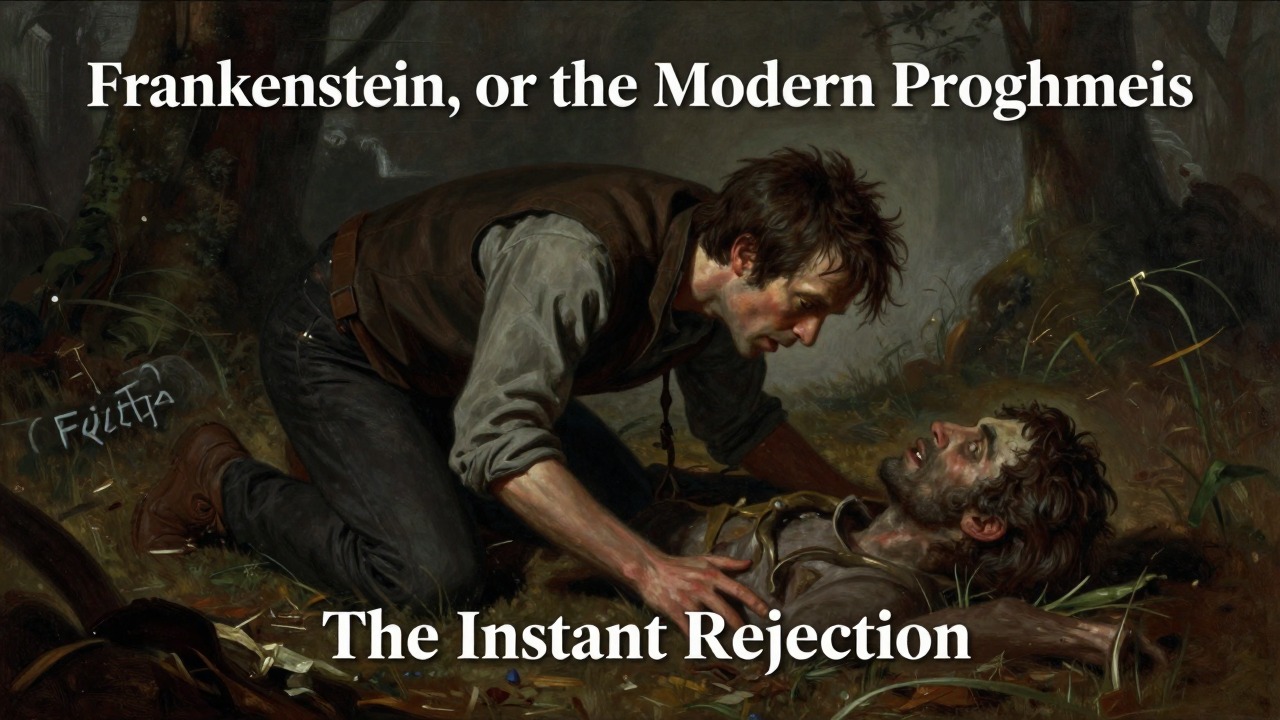
A Failure of Duty
The Instant Rejection
Victor flees from his creation, leaving it alone and helpless. He does not provide guidance, shelter, or care. This abandonment is the first and most profound failure of his duty as a creator.
The Monster's Accusation
The monster later argues that Victor owes him happiness and a companion. He says, "I ought to be thy Adam, but I am rather the fallen angel." The creature's misery is a direct result of Victor's neglect.
The Moral Lesson
Victor's failure to take responsibility leads to all subsequent tragedies. The novel suggests that creating life is a profound act that requires ongoing commitment. The creator is responsible for the well-being of the created.
The Promise and Its Breaking
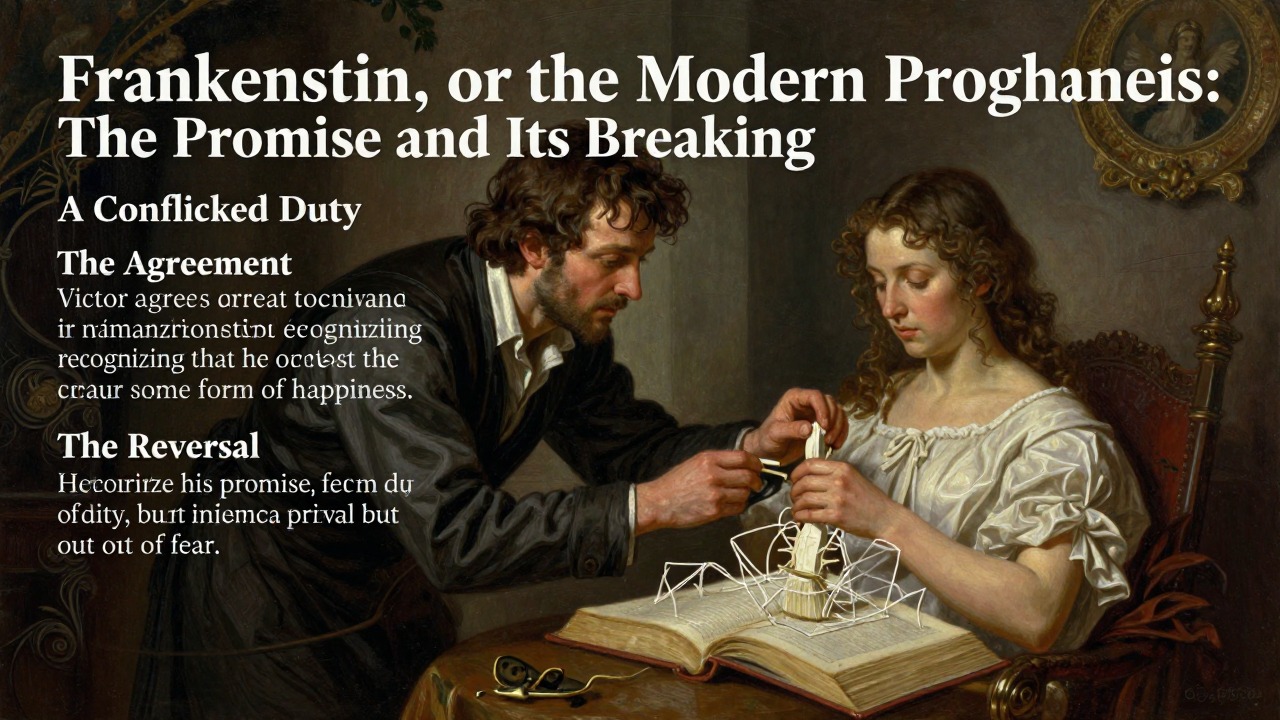
A Conflicted Duty
The Agreement
Victor agrees to create a female monster, recognizing that he owes the creature some form of happiness. He acts out of a sense of duty, but also out of fear.
The Reversal
Victor breaks his promise, destroying the female. He prioritizes his duty to humanity over his duty to the monster. This decision is morally ambiguous: he is choosing the greater good, but it is a betrayal of his promise.
The Consequence
Victor's choice leads to more deaths. The novel does not offer a clear answer; it shows that the creator's responsibility is complex. Victor is damned if he does and damned if he doesn't. The theme remains unresolved, highlighting the difficulty of moral decisions.
Immediately after the monster's creation
During the creation of the female creature
